How to Prepare Your Yard for Winter: A Fall Yard Cleanup Checklist
Preparing your yard for winter is one of the best things you can do for a healthier lawn and garden next spring. For homeowners in Ottawa and Eastern Ontario, fall is the time to tackle the jobs that protect grass, improve soil, clean up gardens and get outdoor spaces ready for months of freezing temperatures and snow.
The good news? You don’t need to overhaul your entire yard. A few important fall lawn and garden tasks can make a noticeable difference when everything starts growing again in spring.
Here’s how to prepare your yard for winter.
Key Takeaways
- Keep mowing your lawn until growth slows, but avoid cutting it extremely short before winter.
- Aerate compacted soil and overseed thin or bare areas early enough for new grass to establish.
- Remove heavy layers of fallen leaves so they don’t smother the lawn over winter.
- Clean up garden beds, remove weeds and add compost to improve the soil for spring.
- Refresh mulch around plants to help protect soil and roots from winter temperature swings.
- Finish major yard cleanup before persistent freezing temperatures and snow arrive.
1. Keep Mowing Your Lawn Until Growth Slows
Don’t put the lawn mower away just because summer is over. Grass continues growing during the cooler fall weather, although more slowly. Continue mowing as needed rather than allowing the lawn to become excessively long before winter.
Avoid suddenly cutting the lawn extremely short. Removing too much of the grass blade at once can stress the plant at exactly the time you want it building a strong root system. If you leave healthy grass clippings behind after mowing, they can also return organic matter and nutrients to the lawn.
2. Aerate Compacted Soil
Fall can be an excellent time to aerate a lawn, particularly in areas where the soil has become compacted from regular foot traffic, pets, children or summer activity. Aeration creates openings in compacted soil that allow water, oxygen and nutrients to reach the grass roots more easily.
How do you know whether your lawn may need aerating? Look for areas where:
- water tends to pool rather than soak in
- grass is thinning despite regular care
- the soil feels hard or compacted
- the lawn receives heavy foot traffic
Aerating can also be a useful first step before overseeding thin areas of your lawn.
3. Overseed Bare or Thin Areas
If your lawn has bare patches or has thinned over the summer, fall provides an opportunity to help fill them in. Overseeding introduces new grass seed into an existing lawn, helping improve turf density and repair damaged areas.
For the best seed-to-soil contact, prepare thin areas before spreading seed. Aeration can help create places for grass seed to settle and establish. Greely Sand & Gravel carries grass seed and lawn care products for homeowners tackling fall lawn projects.
4. Give Your Lawn the Nutrients It Needs
Fall lawn care isn't only about what you can see above ground. This is also an important time for root development. Providing your lawn with appropriate nutrients in fall can help support the root system as the grass prepares for winter dormancy. Rather than assuming every lawn needs exactly the same treatment, consider the condition of your grass and soil before applying fertilizer or soil amendments. A healthier root system going into winter can help give your lawn a stronger start when growing conditions return in spring.
5. Remove or Mulch Fallen Leaves
A few leaves scattered across the lawn aren't a problem. A thick, wet layer sitting there for weeks is another story. Heavy leaf cover can block sunlight, hold moisture against the grass and smother sections of the lawn.
You have several options. Light leaf coverage can often be mulched with your lawn mower. Larger amounts can be raked and added to a compost pile or collected with other fall yard waste. If the cleanup produces more material than you want to handle yourself, Greely Sand & Gravel's DisposaBag waste pickup and yard waste bin rental services can make larger fall cleanups easier.
6. Clean Up Garden Beds
Once annuals have finished for the year, remove dead plants and clean up unwanted plant material. Perennial beds require a little more judgment. You don't necessarily need to cut every perennial to the ground simply because winter is coming. Remove diseased or damaged material, but some healthy stems and seed heads can remain through winter. Fall cleanup is also a good opportunity to remove weeds before they get a head start next spring.
7. Add Compost to Garden Soil
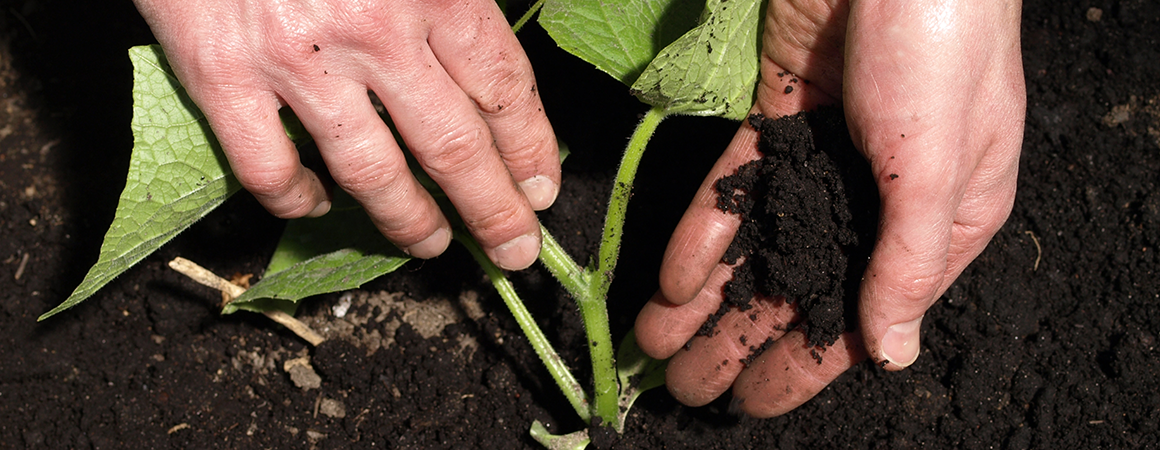
Fall is an excellent time to improve the soil in your garden beds. Adding organic matter can improve soil structure and replenish nutrients that plants have used during the growing season.
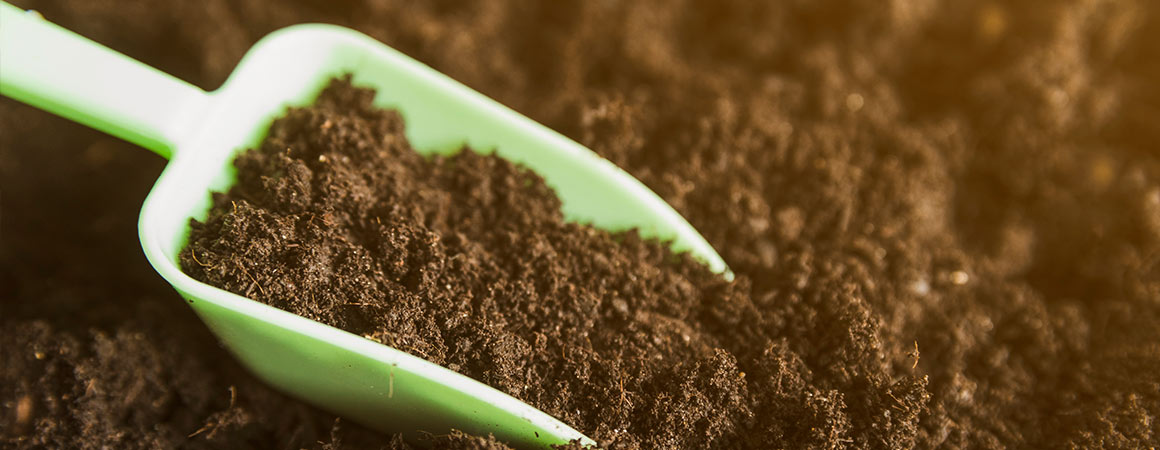
Greely's Mushroom Compost is an organic compost that can be incorporated into existing garden soil as part of your fall garden preparation. Doing this work now means your beds are already prepared when spring planting season arrives.
8. Add or Refresh Mulch Where Needed
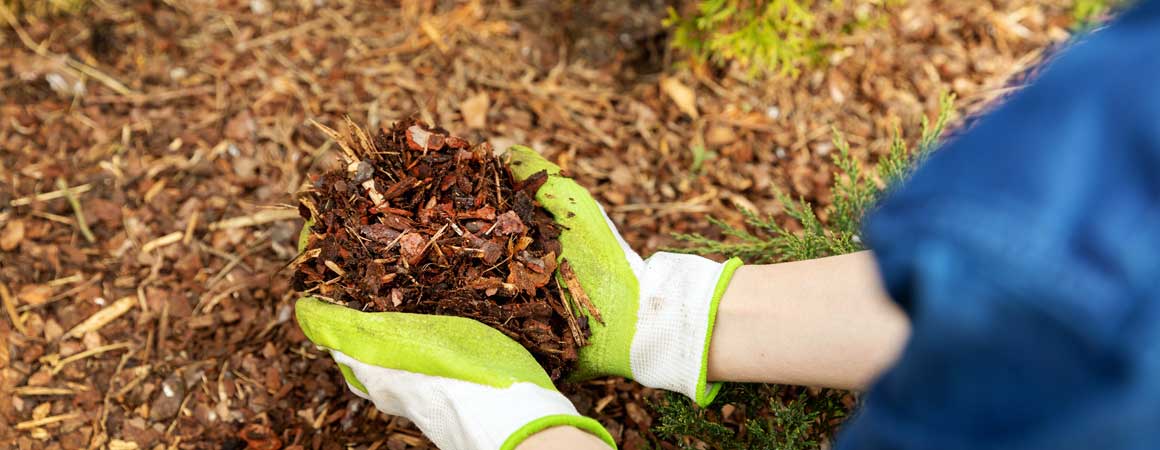
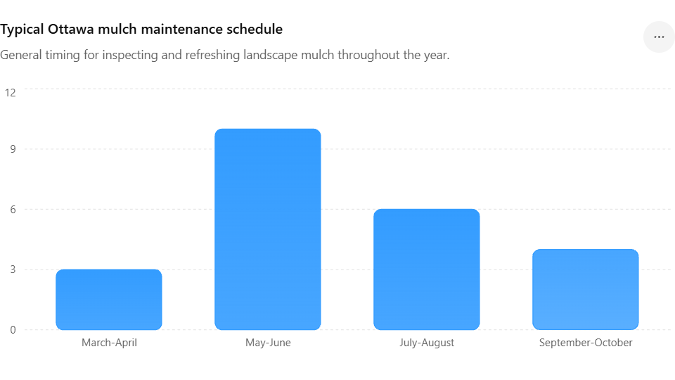
Mulch isn't just decorative. A layer of mulch helps moderate soil temperature and retain moisture around plants. That's particularly useful as temperatures begin fluctuating between warmer fall days and freezing winter conditions. Check existing garden beds and top up areas where mulch has become thin or broken down.
Greely Sand & Gravel carries several types of pine, cedar and bark mulch, making it possible to choose a material and appearance that works with your landscape.
9. Finish Your Fall Yard Cleanup Before the Snow Arrives
Do one final walk around the property before winter settles in. Pick up branches and debris, finish collecting excess leaves, remove unwanted garden waste and put away items that could be damaged by snow or freezing temperatures.
This is also a good time to identify drainage problems, damaged lawn areas or garden beds that will need attention next year. A little organization now means fewer surprises when the snow disappears.
Fall Yard Preparation Checklist
Before winter arrives in Ottawa, try to complete these key jobs:
- Continue mowing while the grass is actively growing
- Aerate compacted lawn areas if needed
- Overseed bare or thinning grass
- Apply appropriate fall lawn nutrients
- Mulch or remove excess fallen leaves
- Clean annuals, weeds and unhealthy plant material from gardens
- Add compost or organic matter to garden soil
- Refresh mulch where needed
- Remove branches, debris and excess yard waste
- Put away tools and outdoor items before snow arrives
You don't necessarily have to complete every job in one weekend. Start with the areas of your property that need the most attention and work through the list as the season allows.
When Should You Prepare Your Yard for Winter in Ottawa?
Most winter yard preparation takes place throughout the fall, but the weather matters more than a particular date. Start cleanup as leaves fall and continue mowing while your grass is still actively growing. Lawn repair, aeration and overseeding should be tackled early enough for the lawn to benefit before winter conditions arrive. Garden cleanup, compost and mulch can follow as plants finish for the season. The goal is simply to have the major work completed before persistent freezing temperatures and snow make yard work considerably more difficult.
What Should You Put on Your Lawn Before Winter?
There isn't one product every lawn automatically needs before winter. Depending on the condition of your lawn, fall preparation may include grass seed for thin areas, fertilizer appropriate for your lawn and soil, aeration to relieve compaction, or topdressing to improve growing conditions.
If you're unsure what your lawn needs, it's better to choose products based on the condition of your property rather than applying something simply because it's fall.
Should You Leave Leaves on Your Lawn Over Winter?
Avoid leaving a thick layer of whole leaves covering the lawn all winter.
Small amounts can be mulched into the lawn with a mower, while heavier leaf accumulation should be collected, composted or removed. The objective is to prevent a dense layer of leaves from covering and smothering the grass for months.
Get Your Yard Ready for an Ottawa Winter
Fall yard preparation isn't really about making the property look perfect before the snow arrives. It's about protecting the work you've already put into your lawn and gardens and creating better growing conditions for next year.
Greely Sand & Gravel carries grass seed, fertilizer, topsoil, compost, mulch and other landscaping products to help Ottawa homeowners complete their fall lawn and garden projects. Yard waste bins and DisposaBag pickup are also available when the cleanup becomes bigger than a few garden bags.
Prepare now, and you'll have a much better starting point when your lawn and gardens wake up next spring.