River Stone: Landscaping Ideas, Sizes & Installation Guide
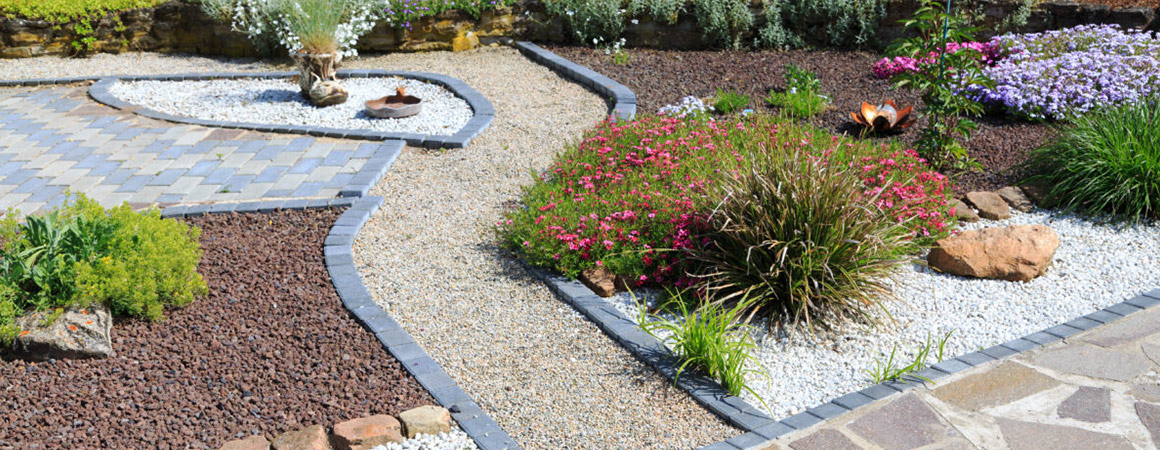
Before choosing landscaping materials, many homeowners focus on colour and appearance. While those are important, it's equally important to consider durability, maintenance, drainage, and long-term performance. Whether you're landscaping a new home in Ottawa or refreshing an established backyard, river stone remains one of the most popular choices because it combines natural beauty with exceptional durability. Its smooth, rounded appearance complements almost any landscape design while standing up to Eastern Ontario's changing seasons with very little maintenance.
At Greely Sand & Gravel, our Riverwash Stone is available in several sizes to suit projects of every scale. Here's everything you need to know before choosing river stone for your next landscaping project.
Key Takeaways
- River stone is a durable, low-maintenance landscaping material that works well in garden beds, pathways, drainage areas, dry creek beds, window wells, and around pools.
- Smaller river stone is better for pathways and compact spaces, while larger stone works well for drainage, erosion control, and landscape features.
- River stone typically lasts much longer than mulch and does not need to be replaced every year.
- Landscape fabric and edging help reduce weeds and keep river stone contained.
- Most decorative river stone projects require a depth of approximately 2 to 3 inches.
- River stone drains well, but its rounded shape makes it less suitable than angular gravel for compacted driveways or structural pathways.
- Proper measuring and material calculation help prevent project delays, shortages, and unnecessary expense.
What Is River Stone?
River stone, sometimes called river rock, is naturally rounded stone that has been smoothed over thousands of years by flowing water. Unlike crushed stone, which has sharp, angular edges, river stone features a softer appearance and comfortable texture.
Because each stone is naturally shaped, river stone creates a landscape that feels both refined and organic. Colours typically include a blend of greys, browns, tans, creams, and subtle earth tones that pair well with almost any home or garden design. Its rounded shape also makes it ideal anywhere drainage is important, allowing water to flow freely between the stones instead of pooling on the surface.
Why River Stone Remains a Favourite for Landscaping
There are plenty of decorative landscaping materials available, but few offer the combination of beauty and longevity that river stone does. Unlike mulch, river stone doesn't break down over time. It won't fade significantly in the sun, blow away during heavy winds, or need to be replaced every few seasons. Once installed properly, it can remain attractive for decades.
River stone also helps suppress weeds when installed over landscape fabric, while still allowing rainwater to penetrate into the soil below. Because it doesn't retain moisture like wood mulch, it won't attract insects or contribute to rot around foundations or structures. For homeowners looking for a low-maintenance landscape that still offers exceptional curb appeal, river stone is often one of the smartest long-term investments.
Pro Tip
Install edging before spreading your river stone. Whether you use steel, aluminum, plastic, or natural stone edging, containing the material from the start helps prevent stones from migrating into your lawn or garden beds and reduces maintenance for years to come.
Popular Uses for River Stone
One of the biggest advantages of river stone is its versatility. It works equally well as a decorative accent or as a functional landscaping material.
Garden Beds
River stone creates crisp, clean garden beds that highlight shrubs, ornamental grasses, and flowering plants. The natural colours complement virtually every style of landscaping while providing year-round visual interest.
Walkways
Smaller river stone can be used to create informal garden paths or decorative borders along existing walkways. When installed with proper edging, it provides an attractive alternative to traditional mulch.
Around Trees
Tree rings finished with river stone help reduce weed growth while creating a polished appearance. Just be careful not to pile stone directly against the trunk, as trees still require proper airflow around the base.
Around Pools
Because river stone drains well and doesn't become muddy after rain, it's an excellent choice around pool equipment, landscaping features, and surrounding garden beds. Its natural appearance also pairs beautifully with water features.
Dry Creek Beds
Dry creek beds have become increasingly popular for both decorative purposes and stormwater management. River stone naturally mimics the appearance of a flowing creek while helping direct runoff away from your home.
Drainage Areas
River stone is commonly installed around downspouts, French drains, swales, and other drainage features where water needs to move efficiently without washing away soil.
Window Wells
Many homeowners choose river stone inside window wells because it improves drainage while creating a cleaner, more finished appearance than bare soil.
Rock Gardens
River stone combines beautifully with larger decorative boulders, ornamental grasses, and drought-tolerant plants to create low-maintenance rock gardens that remain attractive throughout the year.
Where Should You Use River Stone?
| Garden Beds | ✓✓✓✓✓ |
| Walkways | ✓✓✓✓ |
| Around Pools | ✓✓✓✓✓ |
| Dry Creek Beds | ✓✓✓✓✓ |
| Drainage Areas | ✓✓✓✓✓ |
| Driveways | ✓ |
Choosing the Right River Stone Size
The best river stone size depends on both the appearance you want to achieve and how the finished space will be used. Smaller stones create a finer, more uniform look, while larger stones make a bolder visual statement and are often better suited to drainage or erosion control.
Small River Stone
Smaller river stone is ideal for decorative borders, garden beds, pathways, and other areas where you want a clean, refined appearance. It can also be easier to spread evenly in tighter spaces.
Medium River Stone
Medium-sized river stone is one of the most versatile options. It's commonly used around shrubs, foundation plantings, water features, and general landscape beds, offering a balance of visual appeal and stability.
Large River Stone
Larger river stone works well in dry creek beds, drainage swales, erosion control projects, and landscape features where a more natural, rugged appearance is desired. Larger stones are also less likely to shift on slopes or during heavy rainfall.
| Project | Recommended River Stone Size |
| Decorative borders | Small |
| Garden beds | Small to medium |
| Walkways | Small |
| Around trees | Medium |
| Around pools | Medium |
| Dry creek beds | Large |
| Drainage areas | Medium to large |
| Erosion control | Large |
If you're unsure which size is right for your project, the team at Greely Sand & Gravel can help you choose the best option based on your landscaping goals. You can also browse our current selection of river stone to see the sizes and colours we have available.
If you're unsure which size is best for your project, Greely's team can recommend the most suitable option based on your goals.
Common Mistakes When Installing River Stone
Even premium river stone won't perform its best if it's installed incorrectly. Avoid these common mistakes to keep your landscaping looking great for years.
Skipping Landscape Fabric
Landscape fabric helps reduce weed growth while allowing water to drain naturally. Installing river stone directly on soil often leads to more maintenance later.
Using Stone That's Too Small on Slopes
Smaller stones are more likely to shift during heavy rain. Larger river stone is generally a better choice for sloped areas or places where erosion is a concern.
Forgetting Edging
Without edging, river stone gradually spreads into lawns, pathways, and flower beds. A simple edging system keeps your project looking neat.
Installing Too Thin a Layer
A shallow layer leaves soil visible and allows weeds to establish more easily. Most decorative applications look best with approximately two to three inches of stone.
Ignoring Drainage
River stone works exceptionally well for drainage, but only if water has somewhere to go. Address grading issues before installation to prevent standing water.
River Stone vs. Mulch
Many homeowners wonder whether river stone or mulch is the better choice.
Mulch offers excellent moisture retention and gradually adds organic matter to the soil as it decomposes. However, it also requires regular replenishment, typically every year or two.
River stone, on the other hand, lasts for decades. It doesn't decompose, fade quickly, or require annual replacement. While the initial investment is often higher, many homeowners find that river stone costs less over the long term because it requires very little maintenance.
The right choice often depends on your landscaping goals. Many properties even use both materials, with mulch around moisture-loving plants and river stone in decorative or high-traffic areas.
River Stone vs. Gravel
Although the two materials are sometimes confused, river stone and gravel serve different purposes. Gravel generally has sharper, angular edges that help it lock together. This makes it ideal for driveways, compacted pathways, and structural applications. River stone is smoother and more decorative. It creates a softer, more natural appearance and is better suited to garden beds, water features, drainage areas, and accent landscaping. If appearance is your priority, river stone is often the preferred choice.
River Stone vs. Mulch vs. Gravel
| Feature | River Stone | Mulch | Gravel |
| Lifespan | Decades | 1 to 3 years | Decades |
| Maintenance | Very low | Moderate to high | Low |
| Weed suppression | Good with landscape fabric | Good | Good |
| Drainage | Excellent | Good | Excellent |
| Adds nutrients to soil | No | Yes | No |
| Won't blow away | Yes | No | Yes |
| Best for | Decorative beds, drainage, water features | Garden beds and planting areas | Driveways, pathways, structural base |
How Much River Stone Do You Need?
Calculating the right amount of stone begins with measuring the length and width of your project area. Most decorative landscaping installations use a depth of approximately 2 to 3 inches, although drainage applications may require additional depth.
Ordering too little can delay your project, while ordering too much increases unnecessary cost. Using a landscape material calculator or speaking with the Greely Sand & Gravel team can help ensure you purchase the correct amount.
As a General Guideline:
| Quantity | Approximate Coverage at 2" Depth |
| 1 cubic yard | 160 square feet |
| 2 cubic yards | 320 square feet |
| 5 cubic yards | 800 square feet |
Every project is different, so these figures should be used as estimates. For the most accurate order, use Greely Sand & Gravel's material calculator or speak with our team.
How to Install River Stone
Proper installation helps ensure your landscaping looks great and performs well for years.
- Begin by removing existing grass, weeds, or debris from the area.
- Next, level the surface and correct any drainage issues before adding materials.
- Install quality landscape fabric to reduce weed growth while still allowing water to pass through.
- Add edging where appropriate to help keep the stone contained.
- Spread the river stone evenly across the area using a rake, maintaining a consistent depth throughout the project.
- Finally, rinse the stone with water to remove any dust and reveal its natural colours.
Keeping River Stone Looking Its Best
One of the biggest benefits of river stone is how little maintenance it requires. Occasionally remove leaves using a leaf blower or rake, rinse the stones with a garden hose to wash away dirt, and remove any weeds that may appear around the edges. Unlike mulch, there's no need for annual replacement. Most homeowners simply enjoy the finished appearance for many years.
Why Buy River Stone from Greely Sand & Gravel?
Choosing quality landscaping materials makes every project easier and helps ensure lasting results.
Greely Sand & Gravel offers premium Riverwash Stone in multiple sizes for everything from decorative garden beds and walkways to drainage projects and large landscape features. Whether you need a few convenient garden bags or bulk delivery, our knowledgeable team can help you choose the right product and estimate how much you'll need.
If you're planning a landscaping project in Ottawa or the surrounding area, explore our selection of Riverwash Stone or contact Greely Sand & Gravel for expert advice before you begin.
Frequently Asked Questions
Is river stone good for drainage?
Yes. The spaces between the stones allow water to flow freely, making river stone an excellent choice for drainage areas, dry creek beds, and around downspouts.
Does river stone stop weeds?
River stone helps reduce weed growth when installed over landscape fabric, although occasional weeds may still appear over time.
How deep should river stone be?
Most decorative applications require a depth of 2 to 3 inches. Drainage projects may require a deeper layer depending on the application.
Is river stone better than mulch?
Each has advantages. Mulch enriches soil and retains moisture, while river stone lasts much longer and requires far less maintenance.
Can river stone be used around pools?
Absolutely. River stone provides excellent drainage, creates an attractive appearance, and complements pool landscaping beautifully.
What size river stone should I choose?
Smaller stones are generally best for pathways and decorative beds, while larger stones are better suited to feature landscaping, drainage projects, and erosion control.
Does river stone attract insects?
No. Unlike organic mulch, river stone does not decompose and generally doesn't provide a food source for insects.
Can river stone fade over time?
Natural river stone maintains its appearance extremely well. Occasional rinsing helps restore its natural colour by removing dust and debris.