Complete Homeowner Guide Using Topdressing Soil, Seed, or Sod
Most lawns don’t fail because of bad seed or bad timing. More often, the issue is the soil underneath not doing its job. When that foundation is off, grass struggles to grow thick, healthy, and consistent. If your lawn is starting to look thin, patchy, or worn out, topdressing is one of the most effective ways to bring it back without starting over. And if you are building a lawn from scratch, getting the base right from day one makes all the difference. This guide walks through how to topdress a lawn properly, repair problem areas, and set up a new lawn so it grows in thicker, greener, and more resilient than what you started with.
Key Takeaways
- Topdressing is one of the fastest ways to repair a worn lawn
- Timing and soil quality matter more than anything else
- Starting a new lawn comes down to choosing between speed (sod) and cost (seed)
- Using the right soil mix dramatically improves success
Table of Contents
- What Is Lawn Topdressing and Why It Works
- When to Topdress Your Lawn in Ontario
- How to Topdress a Lawn (Step-by-Step)
- Common Topdressing Mistakes That Ruin Results
- Common Lawn Problems Topdressing Fixes
- How Long Does It Take for Topdressing to Work?
- Starting a New Lawn from Seed (Step-by-Step)
- Starting a New Lawn with Sod (Step-by-Step)
- Seed vs Sod: What’s the Better Choice?
- Best Grass Seed for Ontario Lawns (What Actually Grows Well)
- Why Soil Quality Makes or Breaks Your Lawn
- What Tools Do You Need to Topdress a Lawn?
- FAQs About Lawn Topdressing and New Lawns
What Is Lawn Topdressing and Why It Works
Topdressing is the process of spreading a thin layer of nutrient-rich soil over an existing lawn to improve its health, thickness, and appearance.
It’s one of the most effective ways to repair a worn-out lawn without ripping everything out.
Topdressing helps:
- Fill low spots and uneven areas
- Improve soil structure and drainage
- Add nutrients directly where grass needs them
- Encourage thicker, healthier growth
If your lawn looks patchy, compacted, or tired, topdressing is often the fix that brings it back.
When to Topdress Your Lawn in Ottawa
Timing matters more than people think.
The best times to topdress are:
- Late spring (May to early June)
- Early fall (September)
These windows give grass the ideal mix of moisture, temperature, and growth speed.
Avoid doing this during extreme heat or drought. That’s how you end up stressing your lawn instead of fixing it.
How to Topdress a Lawn (Step-by-Step)
This is where most homeowners either get great results… or waste a weekend.
Step 1: Mow and Prepare the Lawn
Cut your grass shorter than usual and remove debris. You want the soil to actually reach the surface.
Step 2: Aerate (Highly Recommended)
Core aeration allows the topdressing soil to work its way into the root zone instead of just sitting on top.
Step 3: Apply High-Quality Topdressing Soil
Spread a thin layer, about ¼ to ½ inch across the lawn. This is where most people cut corners and regret it.
Using a premium blend like Greely’s Topdressing Soil means you’re adding the right mix of compost, sand, and screened soil. Not just dumping dirt and hoping for the best.
Step 4: Level and Work It In
Use a rake or levelling tool to spread it evenly and fill low spots.
Step 5: Overseed (Optional but Smart)
If your lawn is thin, add grass seed right after topdressing for better coverage.
Step 6: Water Consistently
Light, frequent watering keeps the soil active and helps new growth take hold.
Common Topdressing Mistakes That Ruin Results
Even when people follow the steps, a few common mistakes can undo all the effort.
Applying too much soil is the biggest one. Anything over about half an inch can smother your existing grass instead of helping it grow through. Topdressing should improve the lawn, not bury it.
Using poor-quality soil is another issue. Cheap fill or unprocessed topsoil can introduce weeds, drain poorly, and create more problems than it solves. A screened, balanced mix like Greely’s Topdressing Soil gives you consistent texture and nutrients that actually support growth.
Skipping aeration also limits results. Without opening up the soil, the topdressing layer struggles to integrate into the root zone, which is where it needs to be to make a difference.
Finally, inconsistent watering will stall progress. Topdressing only works if moisture helps activate the soil and support new growth.
Common Lawn Problems Topdressing Fixes
Topdressing isn’t just cosmetic. It solves real issues.
- Thin or patchy grass
- Uneven lawns and low spots
- Compacted soil
- Poor drainage
- Weak root systems
If your lawn checks any of those boxes, topdressing is usually the first move before considering a full replacement.
How Long Does It Take for Topdressing to Work?
Topdressing is not instant, but it works faster than most people expect when done properly.
Within the first 1 to 2 weeks, you’ll usually notice improved colour and early signs of new growth, especially if you’ve overseeded. The lawn starts to look more even as the soil settles.
By weeks 3 to 6, thicker growth becomes more obvious. Patchy areas begin to fill in, and the lawn starts to feel healthier underfoot.
Full results typically show over 6 to 8 weeks, depending on weather, watering, and soil quality. If nothing changes after a few weeks, the issue is usually one of three things: poor soil, lack of water, or skipping aeration.
Starting a New Lawn from Seed (Step-by-Step)
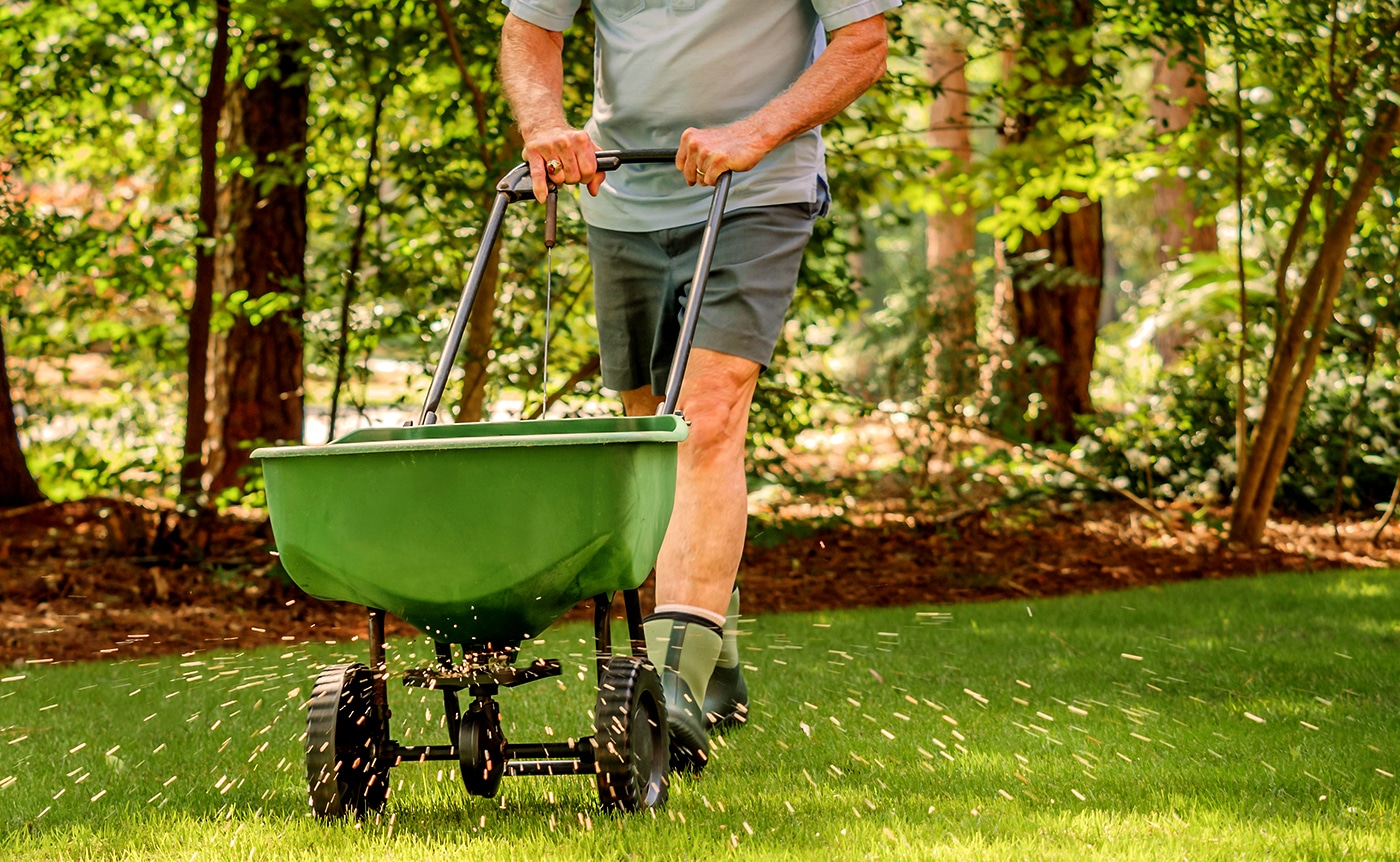
Starting fresh? Seeding is the more affordable route, but it requires patience.
Step 1: Remove Existing Grass and Weeds
You want a clean slate. No shortcuts here.
Step 2: Grade and Level the Area
Proper grading prevents drainage problems later.
Step 3: Apply Topsoil or Topdressing Blend
A high-quality base layer is everything. Using something like Greely’s Topdressing Soil gives your seed the nutrients and structure it needs to actually grow in, not just survive.
Step 4: Spread Grass Seed Evenly
Choose a seed blend suited for Ontario conditions.
Step 5: Lightly Rake and Cover
Ensure good seed-to-soil contact.
Step 6: Water Daily (Lightly)
Keep the surface consistently moist until germination.
Starting a New Lawn with Sod (Step-by-Step)
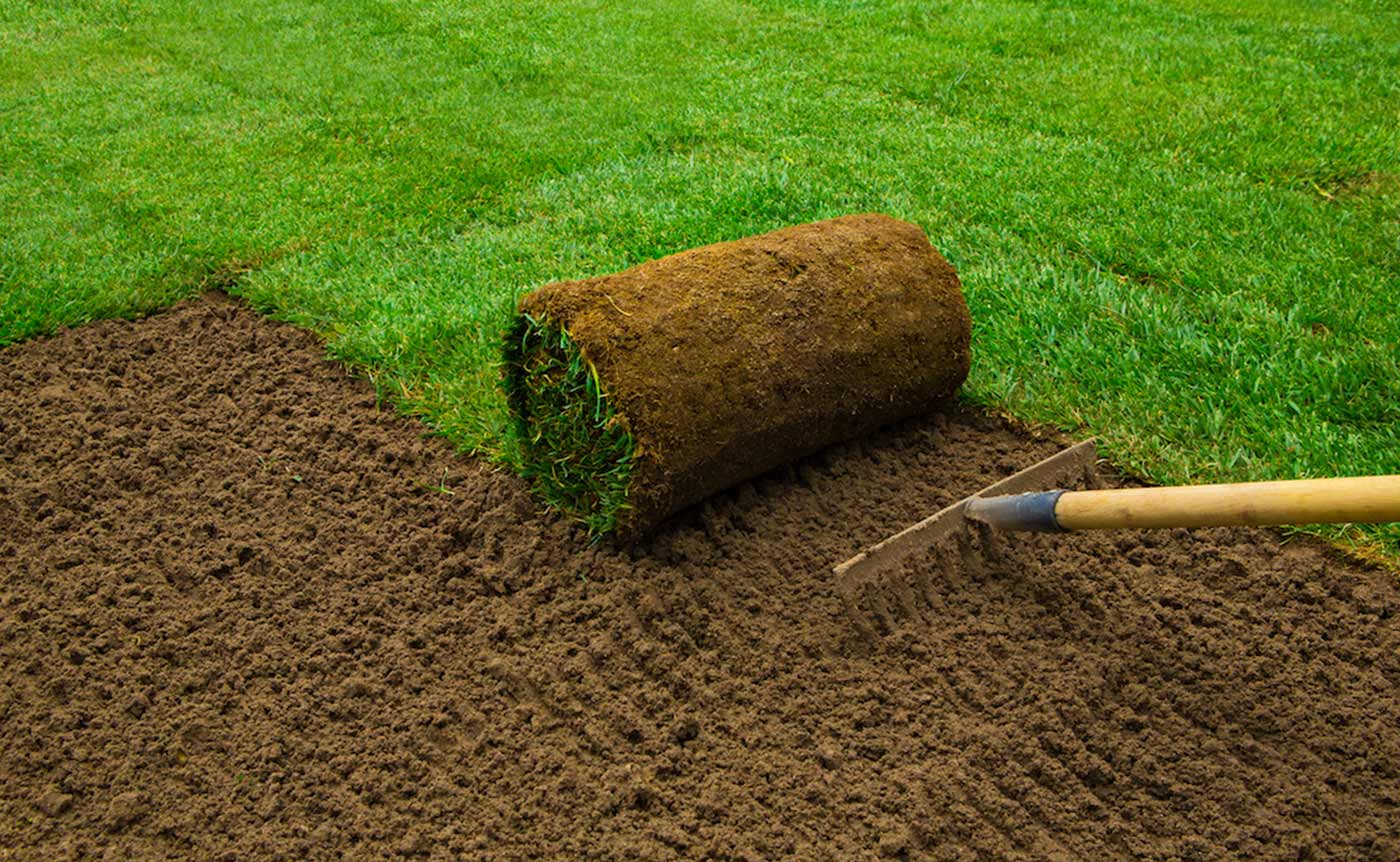
Sod is faster. More expensive, but faster.
Step 1: Prepare and Level the Soil
Just like seeding, your base matters.
Step 2: Lay Sod Immediately After Delivery
Don’t let it sit. Sod dries out fast.
Step 3: Stagger the Seams
Lay it like bricks to avoid visible lines.
Step 4: Roll and Press It Down
This ensures proper root contact.
Step 5: Water Heavily Right Away
Then continue watering daily for the first couple of weeks.
Seed vs Sod: What’s the Better Choice?
| Factor | Seed | Sod |
| Cost | Lower | Higher |
| Time to Full Lawn | 6–10 weeks | 2–3 weeks |
| Labour | Moderate | Higher upfront |
| Risk | Weather dependent | More forgiving |
| Best For | Large areas, budget projects | Instant results |
If you want quick results, go sod. If you’re willing to wait and save money, seed does the job.
Best Grass Seed Types for Ontario Lawns (What Actually Grows Well)
Choosing the right seed matters just as much as how you plant it.
In Ontario, most successful lawns use a blend of cool-season grasses. Kentucky bluegrass is popular for its durability and ability to spread, making it great for filling in over time. Perennial ryegrass establishes quickly and helps give you early coverage, while fine fescue varieties perform well in shaded areas and require less maintenance.
For most homeowners, a blended seed mix provides the best results. It balances fast germination with long-term resilience, which is especially important with Ontario’s temperature swings.
Pairing quality seed with a nutrient-rich base like Greely’s Topdressing Soil gives new grass the conditions it needs to establish quickly and grow in thick.
Why Soil Quality Makes or Breaks Your Lawn
Most lawn failures aren’t because of bad seed or bad timing. They’re because of poor soil. Cheap fill or low-quality topsoil lacks nutrients, drains poorly, and leads to weak grass that never really thrives.
That’s why products like Greely’s Topdressing Soil stand out. It’s engineered for lawn performance, not just volume. If you’re putting in the effort to fix or build a lawn, this is not the place to cut corners. If you want to see exactly what goes into a proper lawn blend, take a look at Greely’s Topdressing Soil and why it’s formulated specifically for lawn repair and establishment.
What Tools Do You Need to Topdress a Lawn?
Topdressing doesn’t require complicated equipment, but having the right tools makes a big difference in how evenly and efficiently the job gets done.
At minimum, you’ll need a lawn mower, a sturdy rake, and a way to spread the soil, whether that’s by shovel or a broadcast spreader for larger areas. A leveling rake or landscaping lute can help create a smoother, more consistent finish, especially if you’re correcting uneven spots.
For best results, a core aerator is strongly recommended. This allows the topdressing soil to move into the root zone rather than sitting on the surface.
If you’re working on a larger lawn, renting an aerator and using a wheelbarrow or soil spreader can save hours of labour and improve your final result.
FAQs About Lawn Topdressing and New Lawns
How much topdressing soil do I need?
For most lawns, ¼ to ½ inch coverage equals roughly 1 cubic yard per 800–1,600 sq ft, depending on how heavy you apply it.
Should I overseed every time I topdress?
Not always, but if your lawn is thin or patchy, overseeding at the same time significantly improves results.
Can I topdress without aerating?
You can, but you’ll get weaker results. Aeration helps the soil integrate and reach the root zone, where it actually makes a difference.