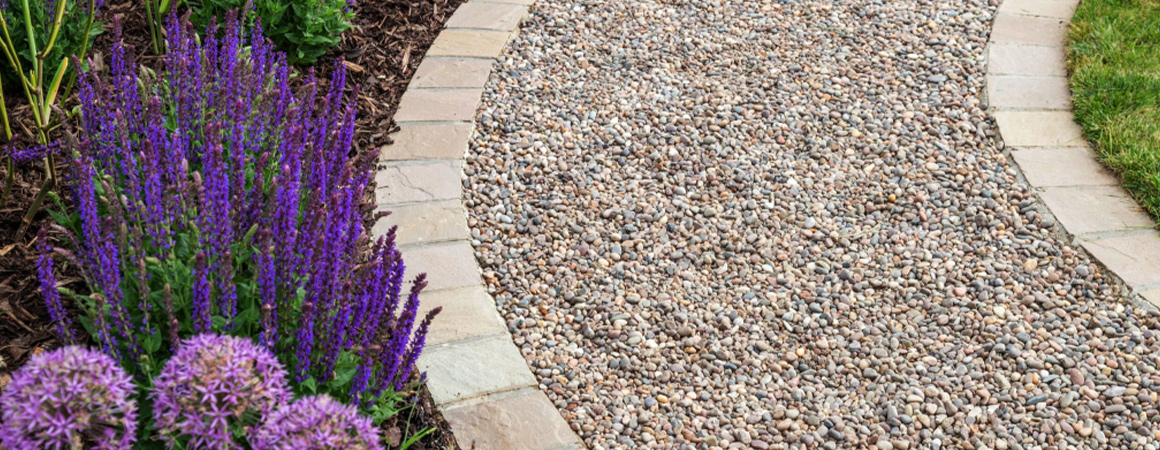
7 Backyard Projects You Can Do with a Single Load of Gravel
Gravel is one of the most practical materials you can use around your home. It costs less than many hardscape materials, drains well, requires very little maintenance, and works for everything from walkways to shed foundations. Best of all, one delivery can often supply enough material for several smaller projects.
If you're looking for gravel backyard inspiration, you don't need a complete landscape renovation. A weekend is often enough to build a fire pit area, install a garden path, improve drainage, or create a level base for a shed.
The key is choosing the right type of gravel. Some products compact into a firm surface that's ideal for walkways and storage pads, while others are designed to let water drain quickly or provide a decorative finish.
This guide covers seven practical backyard gravel ideas, including recommended gravel types, estimated project time, and simple step-by-step instructions to help you get started. Most of these projects can be completed in a weekend using basic landscaping tools, making them practical upgrades for homeowners looking to improve both the appearance and function of their yard.
At a Glance
| Project | Recommended Gravel | Time | Difficulty |
| Fire pit base | Clear Limestone + Decorative Stone | Half day | Easy |
| Garden pathway | Crushed Stone | 1 day | Easy |
| Drainage strip | Clear Limestone | 1 day | Moderate |
| Shed foundation | Clear Limestone | Weekend | Moderate |
| Garden borders | Decorative Stone | Half day | Easy |
| Backyard seating area | Crushed Stone | Weekend | Easy |
| Storage pad | Crushed Stone | 1 day | Moderate |
The amount of gravel required depends on the size of the project and the desired depth. The estimates later in this guide provide a helpful starting point.
Which Project is Right for You?
| If you want to... | Start with... |
| Improve drainage | Drainage Strip |
| Build a fire pit | Project 1 |
| Add curb appeal | Garden Borders |
| Make muddy areas usable | Gravel Path |
| Support a shed | Shed Foundation |
| Create more outdoor living space | Seating Area |
Choosing the Right Gravel for Backyard Projects
Before choosing a gravel product, think about how the finished area will be used. A walkway needs a firm surface that compacts well, while drainage projects require stone that allows water to flow freely. Decorative areas are usually chosen based on appearance rather than compaction.
| Gravel Type | Best For | Compacts Well? | Drains Well? |
| Crushed Stone | Walkways, seating areas, storage pads | ✓ Excellent | Good |
| Clear Limestone | Drainage, shed bases, fire pits | No | ✓ Excellent |
| Premium Bedding Stone | Patio stone base | ✓ Excellent | Good |
| Decorative Stone | Garden borders, accent areas | No | Moderate |
If you're unsure which product is right for your project, compare our crushed stone, decorative stone, clear limestone, and premium bedding stone before ordering.
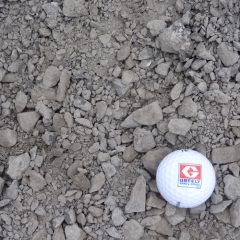
Crushed Stone
Crushed stone has angular edges that lock together when compacted. That makes it one of the best choices for projects that need a firm, stable surface, such as a backyard gravel path, utility pad, or seating area.
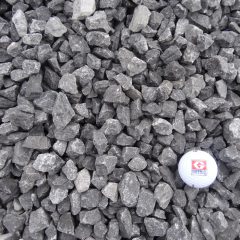
Clear Limestone
Clear limestone contains little or no fine material, allowing water to move through it easily. It's commonly used beneath sheds, around foundations, behind retaining walls, and under fire pit areas where drainage is important.
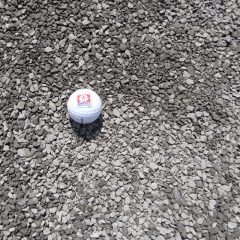
Premium Bedding Stone
Premium Bedding Stone creates a stable base beneath patio stones and pavers. It compacts well while still allowing moisture to drain, helping reduce movement over time.
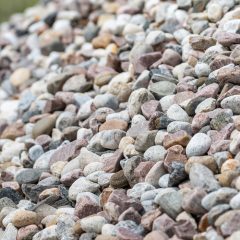
Decorative Stone
Decorative stone is used where appearance is the priority. It works well around flower beds, trees, and garden borders, adding texture while helping suppress weeds and reduce maintenance.
The best gravel for backyard projects depends on what you're building. For example, crushed stone is often the better choice for surfaces people walk on, while clear limestone is usually recommended where drainage matters most.
1. Build a Backyard Gravel Fire Pit
A fire pit is one of the easiest ways to create a gathering space without pouring concrete or building a deck. Using gravel around the fire pit keeps the area cleaner, improves drainage, and provides a non-combustible surface that's easy to maintain.
Many homeowners searching for backyard fire pit ideas with gravel choose this project because it can usually be completed in a single afternoon.
Recommended gravel: Clear Limestone for the base with Decorative Stone as the finished surface
How to Build It:
- Choose a level location at least 10 feet from buildings, fences, and overhanging trees.
- Mark the perimeter using stakes or spray paint.
- Remove grass and topsoil to a depth of 3 to 4 inches.
- Install landscape edging if you'd like a defined border.
- Spread 4 to 6 inches of Clear Limestone and level it.
- Position the fire pit according to the manufacturer’s clearance requirements.
- Add decorative stone around the seating area, keeping combustible materials away from the fire pit.
Pro Tip: Leave enough room around the fire pit for chairs to slide back comfortably. A diameter of 12 to 16 feet works well for most family gathering spaces.
2. Install a Backyard Gravel Path
A gravel path connects different areas of your yard while keeping foot traffic out of gardens and muddy areas. It's one of the most affordable landscaping projects and requires very little maintenance once installed.
A backyard gravel path also works well beside the house, between raised garden beds, or as an access route to sheds and patios.
Recommended gravel: Crushed Stone
How to Build It:
- Plan the route using garden hoses or marking paint.
- Remove sod and organic material.
- Dig the path approximately 4 inches deep.
- Install edging to keep the gravel contained.
- Lay landscape fabric.
- Spread Crushed Stone evenly.
- Compact the surface using a plate compactor or hand tamper.
Pro Tip: Curved paths often look more natural than straight ones and can make smaller backyards feel larger.
3. Add a Drainage Strip
If water collects beside your house, garage, or fence after heavy rain, installing a gravel drainage strip can help move water away before it causes problems.
This project improves drainage while creating a neat edge that requires almost no maintenance.
Recommended gravel: Clear Limestone
How to Build It:
- Identify where water pools after rainfall.
- Dig a trench approximately 8 to 12 inches wide.
- Slope the trench slightly away from structures.
- Lay landscape fabric.
- Fill with Clear Limestone. Avoid directing runoff toward neighbouring properties. The goal is to move water safely away from your home's foundation.
- Rake the surface level.
Pro Tip: If you're dealing with significant drainage issues, this project can be combined with weeping tile or a French drain system.
4. Build a Gravel Shed Foundation
A solid foundation helps keep your shed level and extends its lifespan. Gravel allows water to drain beneath the structure, reducing frost movement and helping prevent wood rot.
Many homeowners skip this step and place a shed directly on the ground, but building a proper gravel base is well worth the effort.
Recommended gravel: Clear Limestone
How to Build It:
- Mark the footprint of the shed.
- Remove grass and topsoil.
- Install edging around the perimeter.
- Lay landscape fabric.
- Fill with Clear Limestone.
- Compact and level the surface.
- Confirm the base is square before assembling the shed.
Pro Tip: Build the gravel pad about 12 inches larger than the shed on all sides to improve drainage and make future maintenance easier.
5. Define Garden Borders with Decorative Gravel
Replacing mulch with decorative gravel around flower beds and shrubs creates a clean, finished appearance that lasts for years. Unlike wood mulch, decorative stone doesn't break down or need to be topped up every season.
This is one of the simplest backyard designs with gravel and can usually be completed in just a few hours.
Recommended gravel: Decorative Stone
How to Build It:
- Define the edge of the garden bed using a spade or edging material.
- Remove weeds and any existing mulch.
- Lay landscape fabric.
- Spread decorative stone evenly to a depth of 2 to 3 inches.
- Rake smooth and brush any stones away from plant stems.
Pro Tip: Leave a small gap around the base of shrubs and trees. Piling stone directly against trunks can trap moisture and damage the plant over time.
6. Create a Backyard Seating Area
Not every outdoor seating space needs an expensive patio. A gravel surface provides a stable base for patio furniture while allowing rainwater to drain away instead of pooling.
If you're looking for backyard gravel ideas that add usable outdoor living space without a major investment, this project is a great place to start.
Recommended gravel: Crushed Stone
How to Build It:
- Mark the outline of the seating area.
- Remove grass and topsoil.
- Install edging around the perimeter.
- Lay landscape fabric.
- Spread Crushed Stone evenly.
- Compact the surface.
- Add outdoor furniture, planters, or a picnic table.
Pro Tip: A seating area that measures at least 12 by 12 feet provides enough room for a table and four to six chairs.
7. Build a Utility Storage Pad
Garbage bins, trailers, firewood, kayaks, and lawn equipment all benefit from a level surface. A gravel storage pad keeps these items out of the mud and provides better year-round access.
It's also one of the quickest projects on this list.
Recommended gravel: Crushed Stone
How to Build It:
- Mark the area you want to cover.
- Remove grass and organic material.
- Excavate approximately 4 inches.
- Install landscape fabric.
- Add Crushed Stone.
- Compact thoroughly until firm.
Pro Tip: Make the pad slightly larger than you think you'll need. Homeowners often find themselves using the extra space for bicycles, wheelbarrows, or seasonal storage.
How Much Gravel Will You Need?
The amount of gravel required depends on the size of your project and the depth of the finished surface. The estimates below are a good starting point for common backyard projects.
| Project | Approximate Gravel Needed |
| Fire pit area | ½ to 1 cubic yard |
| Garden path | 1 to 2 cubic yards |
| Drainage strip | 1 to 3 cubic yards |
| Shed foundation | 2 to 4 cubic yards |
| Garden borders | ½ to 1 cubic yard |
| Seating area | 2 to 4 cubic yards |
| Storage pad | 1 to 3 cubic yards |
If you're unsure how much material to order, it's always worth asking before placing your order. Ordering too little can delay your project, while ordering too much may leave you with more material than you need.
Gravel is typically sold by the cubic yard. Measuring the length and width of your project area before ordering will help you estimate how much material you need. If you're unsure, the Greely Sand & Gravel team can help calculate the right quantity.
Frequently Asked Questions
What kind of gravel compacts best?
Crushed stone compacts better than rounded gravel because its angular edges lock together. This makes it a good choice for walkways, seating areas, and storage pads where you want a firm surface that stays in place.
What is the best gravel for a backyard fire pit?
Clear Limestone is commonly used beneath fire pits because it provides excellent drainage. Decorative stone can then be added around the fire pit to give the area a finished appearance.
What gravel is best for a backyard path?
Crushed Stone is one of the best choices for a backyard gravel path because it compacts into a stable surface that's comfortable to walk on and holds its shape over time.
Should I put landscape fabric under gravel?
In most cases, yes. Landscape fabric helps separate the gravel from the soil beneath it, slows weed growth, and helps prevent the gravel from sinking into the ground over time.
What size gravel is best for landscaping?
The best size depends on the project. Smaller crushed stone works well for pathways and seating areas because it compacts into a firm surface. Larger decorative stone is often used for garden borders and accent areas, while clear limestone is commonly chosen for drainage applications.
Can one load of gravel cover multiple backyard projects?
Yes. Many homeowners order enough material to complete several smaller projects during the same weekend, such as a pathway, garden borders, and a fire pit area. Planning everything at once can also reduce delivery costs.
Get the Right Gravel for Your Next Backyard Project
Choosing the right gravel is one of the most important decisions you'll make before starting any landscaping project. Whether you're building a backyard gravel path, installing a shed foundation, improving drainage, or exploring new backyard gravel fire pit ideas, using the right aggregate helps the finished project last longer and perform as expected.
Greely Sand & Gravel supplies crushed stone, clear limestone, decorative stone, premium bedding stone, and other landscape materials for homeowners and contractors throughout the Ottawa area. If you're not sure which product is right for your project or how much you'll need, our team is happy to help you choose the right material before you order.