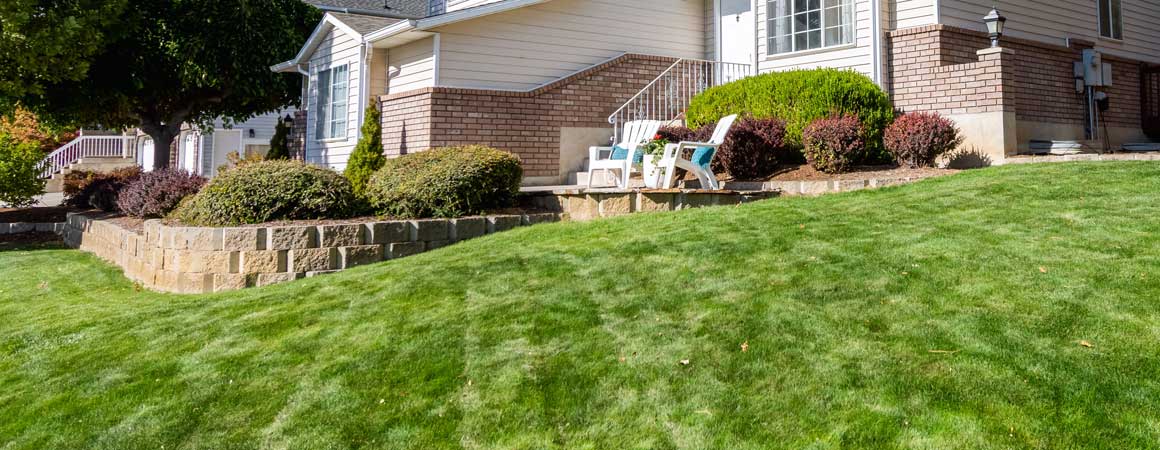
Lawn Grading: How to Grade Your Yard to Improve Drainage and Protect Your Home
A beautiful lawn is about more than healthy grass and attractive landscaping. The way your property slopes plays a major role in protecting your home from water damage.
When your lawn is graded correctly, rainwater and melting snow flow away from your home's foundation. When it isn't, water can collect around the base of your house, increasing the risk of basement leaks, foundation problems, erosion, and soggy areas that never seem to dry out.
Whether you're fixing a few low spots or planning a larger landscaping project, grading your lawn is one of the best investments you can make in the long-term health of your property. At Greely Sand & Gravel, we supply premium screened topsoil, grass seed, and other landscaping materials to help homeowners and contractors complete grading projects with confidence.
At Greely Sand & Gravel, we've helped Ottawa-area homeowners and contractors complete landscaping projects for decades. Whether you're repairing a few low spots near your foundation or improving drainage across your entire property, choosing the right materials is the first step toward long-lasting results.
Key Takeaways
- Proper lawn grading directs water away from your home's foundation.
- Poor grading can contribute to basement moisture, erosion, and standing water.
- Small grading projects can often be completed using screened topsoil and basic landscaping tools.
- Larger grading projects may require professional equipment and expertise.
- Fall is one of the best times of year to grade a lawn before winter weather arrives.
What Is Lawn Grading?
Lawn grading is the process of shaping the ground so water naturally drains away from your home instead of pooling around the foundation. Most properties should have a gentle slope extending away from the house. This allows rainwater to move toward the street, drainage swales, or other designated runoff areas rather than collecting beside your foundation. Even if your lawn looks flat, small changes in elevation can make a significant difference in how water behaves after a heavy rain.
Why Proper Grading Is So Important
Water is one of your home's biggest enemies.
When moisture repeatedly collects around your foundation, it can eventually find its way into your basement or crawl space. Over time, this may contribute to moisture problems, mould growth, frost damage, soil erosion, and expensive foundation repairs. Proper grading helps reduce these risks while improving the overall health of your landscape. Water is distributed more evenly across your property, reducing muddy areas and helping your lawn establish stronger root systems.
In Ottawa and the surrounding region, heavy spring snowmelt, summer downpours, and repeated freeze-thaw cycles can all affect how water moves across your property. Maintaining the proper grade helps manage these seasonal conditions and protects your home year-round.
Signs Your Lawn May Need Grading
Many homeowners don't realize they have a grading problem until water starts causing damage. Fortunately, there are several warning signs to watch for.
If water pools near your home's foundation after rainfall, your basement feels damp, sections of your lawn remain soggy for days, or soil continually washes away from garden beds, your property's grade may need attention. You may also notice grass struggling to grow in low areas where water sits for extended periods. Other warning signs include mulch washing out of flower beds, puddles forming on patios or walkways, or ice building up near your foundation during the winter. These problems often indicate that surface water isn't draining where it should.
If you're unsure, it's worth having your property evaluated before a minor drainage issue becomes a much larger repair.
Can You Grade Your Lawn Yourself?
The answer depends on the size of the project. If you're filling shallow depressions, correcting small low spots near your foundation, or preparing an area for new sod, many homeowners can complete the work themselves with quality screened topsoil and a few basic landscaping tools.
Simply add soil where needed, gradually shape it away from the house using a rake or landscaping shovel, and compact each layer as you work. Once you've achieved the desired slope, the area can be seeded or covered with fresh sod. However, larger grading projects involving significant elevation changes, retaining walls, drainage systems, or extensive excavation are usually best left to experienced professionals with the proper equipment.
Choosing the Right Soil for Lawn Grading
Using the right material is just as important as creating the correct slope. Greely Sand & Gravel's Screened Topsoil is an excellent choice for lawn grading because it provides good structure while allowing water to drain properly. It also creates an ideal growing surface for grass seed and serves as an excellent base beneath new sod.
Avoid using poor-quality fill material that contains rocks, debris, or excessive clay. While it may seem like a cheaper option initially, it can create drainage problems and make it difficult to establish healthy grass.
How Much Topsoil Will You Need?
Before ordering topsoil, measure the length, width, and average depth of the area you plan to grade. Our online Cubic Yard Calculator makes it easy to estimate how much screened topsoil your project requires. Because grading creates a gradual slope rather than filling an entire area to one consistent depth, you'll generally require less material than a full-depth calculation suggests. For example, if you're grading an area measuring 10 feet by 8 feet with a maximum depth of 12 inches against the foundation, you'll need approximately half the amount required to fill the entire space evenly, or roughly 1.5 cubic yards of screened topsoil.
Common Lawn Grading Mistakes to Avoid
One of the biggest mistakes homeowners make is focusing only on appearance instead of drainage. A lawn may look perfectly level while still directing water toward the house.
Another common mistake is failing to compact the soil during installation. Loose soil will settle over time, changing the finished grade and potentially recreating the same drainage problems you were trying to solve. It's also important to make gradual changes rather than creating steep slopes that are difficult to mow and more susceptible to erosion.
Finally, remember that grading works together with other parts of your drainage system. Clean eavestroughs, properly positioned downspouts, and healthy landscaping all help move water safely away from your home.
Why Fall Is an Excellent Time for Lawn Grading
Although grading can be completed throughout much of the landscaping season, early fall offers several advantages.
Cooler temperatures make outdoor work more comfortable, while seasonal rainfall helps newly seeded lawns establish themselves. Completing grading work before winter also helps reduce the chance of snowmelt collecting around your foundation during the spring thaw. By addressing drainage issues now, you'll be better prepared for the changing seasons and protect your property year-round.
Greely Sand & Gravel Has the Materials You Need
Whether you're repairing a few low spots or tackling a larger drainage improvement project, Greely Sand & Gravel has the products to help you get the job done right.
We supply premium screened topsoil, grass seed, compost, mulch, decorative stone, and many other landscaping materials for projects of every size. Our knowledgeable team can help you choose the right products, calculate how much material you'll need, and arrange convenient pickup or delivery. If your grading project requires bulk quantities, we also offer reliable delivery using our triaxle dump trucks throughout the Ottawa area.
Whether you're tackling a weekend DIY project or hiring a contractor to regrade your property, Greely Sand & Gravel has the screened topsoil, grass seed, sod, and landscaping products you need to get the job done right. Visit one of our landscape depots or contact our knowledgeable team for expert advice, convenient delivery options, and help choosing the right materials for your project.
Frequently Asked Questions
What is lawn grading?
Lawn grading is the process of shaping the ground so rainwater and melting snow drain away from your home's foundation instead of collecting around it.
Can I grade my lawn myself?
Minor grading projects, such as filling low spots or improving drainage near the foundation, can often be completed by homeowners using screened topsoil and basic landscaping tools. Larger projects are best handled by professionals.
What is the best soil for grading a lawn?
Screened topsoil is one of the best materials for lawn grading because it provides structure, drains well, and creates an excellent surface for growing new grass or installing sod.
When is the best time to grade a lawn?
Early fall is an ideal time because cooler temperatures and regular rainfall help establish new grass while preparing your property for winter weather.
How do I know if my lawn needs grading?
Standing water, soggy areas, erosion, damp basements, or water flowing toward your foundation are all signs that your lawn may benefit from grading.