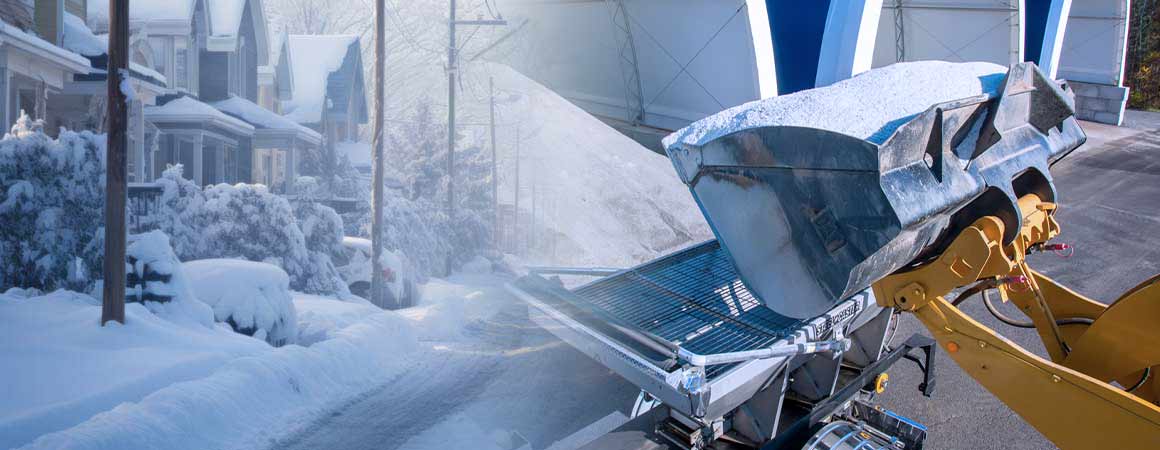
How to Prepare Your Home and Yard for Winter in Ottawa
A Practical Guide to Protecting Your Property Before the Snow Arrives
Winter in Ottawa has a way of exposing every maintenance task homeowners put off during the fall. A clogged eavestrough becomes a sheet of ice beside the front steps, a poorly drained driveway develops hazardous patches of frozen water, and garden plants that looked perfectly healthy in October can emerge damaged when spring finally arrives. With months of freezing temperatures, heavy snowfall and unpredictable thaws ahead, preparing your home and yard for winter is one of the most worthwhile investments of time you can make.
Fortunately, winter preparation doesn't require a complete property overhaul. Most of the work involves addressing small problems before cold weather makes them more difficult or expensive to fix. Clearing leaves, protecting vulnerable plants, managing drainage and inspecting outdoor surfaces can all contribute to a healthier landscape and a safer property. Taking care of these jobs while the ground is still workable also gives homeowners an opportunity to complete landscaping improvements that might otherwise have to wait until spring.
For Ottawa homeowners, the ideal preparation period generally begins in September and continues through October, although some tasks can be completed well into November when weather conditions permit. The following guide explains where to concentrate your efforts, which problems deserve attention and how the right landscaping and winter maintenance materials can help protect your property throughout the colder months.
Key Takeaways
- Start preparing early. September and October are ideal for most winter maintenance tasks in Ottawa, before freezing temperatures and snowfall make outdoor work more difficult.
- Protect your lawn and landscaping. Remove excess leaves, clean garden beds and apply suitable mulch to protect vulnerable plants from winter conditions.
- Prevent water and ice problems. Clear eavestroughs, check drainage and disconnect outdoor hoses before temperatures drop below freezing.
- Prepare driveways and walkways. Repair damaged surfaces, inspect gravel driveways and stock up on appropriate salt, sand or winter chip stone.
- Finish fall cleanup. Remove accumulated yard waste and complete suitable landscaping projects before the ground freezes.
Prepare Your Lawn for a Healthy Spring
A healthy lawn is better equipped to withstand Ottawa's long winter, but the condition of your grass when the snow arrives can have a significant effect on how it looks the following spring. During autumn, grass gradually slows its growth and begins preparing for dormancy. While the lawn may appear to need less attention, this is an important period for removing debris, managing moisture and ensuring the grass isn't buried beneath a heavy layer of fallen leaves.
Leaves are one of the most common causes of fall lawn maintenance problems. A light covering of shredded leaves can break down naturally and return organic matter to the soil, but thick accumulations are another matter. When wet leaves form a dense mat over the grass, they restrict airflow and create damp conditions that can contribute to turf damage and disease. Regularly raking or mulching leaves throughout autumn is generally more effective than waiting until every tree is bare and attempting to remove everything at once. Areas beside fences, hedges and buildings deserve particular attention because wind often deposits large quantities of leaves in these locations.
Continue mowing as long as the grass is actively growing, maintaining an appropriate height for the type of lawn rather than cutting it extremely short before winter. Early fall may also be a suitable time to repair thin areas or improve compacted soil, provided temperatures remain favourable for grass growth. Once the soil becomes too cold for seed germination, however, major lawn repairs are usually better postponed until spring. The objective is to enter winter with a clean, reasonably healthy lawn that can recover quickly when growing conditions return.
Protect Garden Beds, Trees and Shrubs from Winter Damage
Ottawa's winter weather presents several challenges for garden plants, including freezing temperatures, drying winds, fluctuating soil conditions and heavy snow. Although many established trees and perennials are well adapted to the local climate, younger plants and newly installed landscaping may need additional attention before winter begins. Preparing garden beds properly can reduce unnecessary damage while helping plants retain the moisture and protection they need during dormancy.
Begin by removing diseased foliage, unwanted weeds and spent annual plants that are unlikely to survive the winter. Healthy leaves and plant material can often be composted, while some perennial stems and seed heads may be left standing to provide food and shelter for birds and beneficial insects. Garden cleanup doesn't have to mean stripping every bed completely bare. In fact, leaving appropriate plant material in place can support a healthier garden ecosystem while reducing the amount of waste that needs to be removed.
Mulch is particularly useful for protecting vulnerable plants because it helps moderate fluctuations in soil temperature and reduces moisture loss. A suitable layer of organic mulch around trees, shrubs and perennial beds can provide insulation during periods of freezing and thawing, although it should be kept away from direct contact with trunks and stems. Newly planted evergreens and shrubs in exposed locations may also benefit from breathable wind screens, particularly where winter winds or road salt spray create additional stress. Greely Sand & Gravel offers a range of landscaping mulches that can be used to maintain garden beds and help prepare plants for colder weather.
Winterize Outdoor Faucets, Hoses and Irrigation Systems
Outdoor plumbing is especially vulnerable when temperatures drop below freezing, and a forgotten garden hose can create a surprisingly expensive problem. Water expands as it freezes, placing pressure on pipes, fittings and other components that aren't designed to withstand that expansion. Because some of this damage occurs inside walls or underground, homeowners may not discover the problem until temperatures rise and the plumbing begins to leak.
Before the first hard freeze, disconnect all garden hoses, drain them completely and store them in a garage, shed or other protected location. Removing the hose is important even when the exterior faucet is described as frost-free, because a connected hose can prevent water from draining out of the fixture as intended. Homes with interior shutoff valves for exterior water connections should be winterized according to the plumbing system's requirements, and any exposed fixtures should be inspected for existing leaks or damage.
Underground irrigation systems require additional consideration because water can remain trapped inside buried pipes, valves and sprinkler heads. Depending on the design, these systems may need professional winterization to remove residual water safely. Completing these tasks before freezing weather arrives is considerably easier than repairing damaged plumbing after winter has begun.
Clean Up Yard Waste Before It Becomes a Spring Problem
Autumn maintenance can generate a substantial amount of yard waste, particularly on properties with mature trees, large garden beds or extensive landscaping. Fallen leaves, trimmed branches, weeds and other organic debris tend to accumulate quickly, and leaving large piles sitting on the lawn throughout winter can damage the grass underneath. Once the material becomes saturated and covered by snow, it also becomes considerably more difficult to handle.
Smaller quantities of healthy organic material may be suitable for composting or municipal yard waste collection, depending on local collection rules. Larger landscaping cleanups, however, can produce more debris than homeowners can conveniently manage through regular disposal methods. This is particularly true when several garden beds are being cleared, shrubs are being pruned or a large property is being prepared for the season.
Greely Sand & Gravel's DisposaBag service offers another option for eligible yard waste. Customers can collect accepted materials in a Greely Gardening Bag and arrange for pickup, avoiding the need to transport multiple loads themselves. Homeowners who already have an empty bag from a previous landscaping delivery may be able to reuse it, while new bags are available through Greely. Before filling a bag, confirm the current list of accepted materials, pickup requirements and service availability to ensure the waste can be collected as planned.
Inspect and Maintain Driveways, Walkways and Outdoor Steps
Driveways and walkways experience considerable stress during Ottawa winters, particularly when water enters existing cracks and repeatedly freezes and thaws. Small defects that are easy to overlook during summer can become more serious once snow removal equipment, ice and winter traffic begin taking their toll. Inspecting these surfaces in the fall provides an opportunity to identify problems while repairs are still practical.
Walk around the property and look for uneven paving stones, loose aggregate, cracked pavement and areas where water accumulates after rainfall. Pay particular attention to steps, entrances and frequently used pathways, where even minor surface irregularities can become hazardous when concealed beneath snow. Repairs should be completed using materials appropriate for the surface and weather conditions, since some products require specific temperatures for proper installation and curing.
Gravel driveways deserve particular attention because potholes, ruts and uneven grading can make snow removal difficult and allow water to collect. Where conditions permit, adding suitable aggregate and properly grading and compacting the surface may help improve drainage and create a more consistent driving area. Greely Sand & Gravel supplies crushed stone, sand and gravel for residential driveway maintenance and other landscaping projects. Homeowners planning repairs late in the season should confirm material availability and ensure that ground conditions are suitable before proceeding.
Choose the Right Winter Salt, Sand and Traction Materials
Keeping outdoor surfaces safe throughout winter requires an understanding of how different ice-control products work. Ottawa frequently experiences conditions that change from snow to freezing rain and back again, sometimes within a short period. A product that performs well during a relatively mild winter afternoon may be considerably less effective when temperatures drop overnight. Choosing the right material for the conditions can improve safety while reducing unnecessary product use.
Road salt is commonly used because it helps melt ice by lowering the freezing point of water. However, its effectiveness declines as temperatures become colder, and excessive applications can damage vegetation, affect soil and contribute to deterioration of certain concrete and masonry surfaces. Using the appropriate amount is important, particularly around landscaped areas and locations where melting snow carries salt into surrounding soil or drainage systems.
Sand and winter chip stone serve a different purpose. Rather than melting ice, they provide an abrasive surface that can improve traction for pedestrians and vehicles. These materials may be particularly useful when temperatures are too low for conventional salt to work efficiently or when reducing salt use is a priority. Salt and sand mixtures, along with salt and chip blends, combine abrasive materials with de-icing salt to provide both traction and some ice-melting capability.
Greely Sand & Gravel offers winter maintenance materials, including road salt, winter chip stone, salt and sand mixtures, salt and chip products and Thawrox Salt. The best choice depends on the surface being treated, expected temperatures, traffic conditions and whether the immediate priority is melting ice or improving grip. Homeowners should follow product instructions, use materials sparingly and consider the potential effects on nearby landscaping.
Prepare Snow Removal Equipment Before the First Storm
Snow removal becomes considerably more difficult when equipment hasn't been inspected or maintained before winter begins. A snowblower that refuses to start during the first major snowfall can quickly turn a manageable job into several hours of unnecessary work, particularly when heavy or wet snow has accumulated across a driveway. Preparing equipment in advance also provides time to obtain replacement parts or arrange servicing before repair shops become busy.
Inspect snow shovels for cracked handles, damaged blades and other signs of wear. Snowblowers should be maintained according to the manufacturer's recommendations, including appropriate checks of belts, moving parts, fuel systems and safety features. Battery-powered equipment should be charged and stored as directed, while extension cords used with electric equipment should be suitable for outdoor winter conditions.
It's equally important to think about how snow will be managed around the property. Identify suitable locations for snow piles that won't block visibility, interfere with pedestrian access or create drainage problems when the snow melts. Avoid placing snow where it could obstruct fire hydrants, public sidewalks or entrances. Keeping shovels and ice-control materials near frequently used doors can also make it easier to deal with changing conditions before snow becomes compacted or ice develops.
Complete Landscaping Projects While Conditions Allow
Late autumn may provide a final opportunity to complete landscaping improvements before frozen ground and heavy snow make outdoor construction impractical. Projects involving gravel driveways, drainage improvements, garden beds or aggregate installation can sometimes be completed later in the season, but success depends on the weather and the condition of the ground rather than the calendar alone.
For example, a gravel driveway repair may be straightforward when the ground is firm and workable, but attempting the same job on saturated or frozen soil can compromise grading and compaction. Drainage projects also require careful planning because materials must be installed at appropriate depths and slopes to function properly. Similarly, landscaping soil and mulch can be delivered late in the fall when conditions permit, although the suitability of installation will depend on the intended use.
Greely Sand & Gravel supplies a range of landscaping materials to homeowners and contractors throughout Ottawa and Eastern Ontario, including crushed stone, sand, gravel, soil and mulch. If you're considering a project before winter, contacting the company early can help determine which materials are available and whether delivery can be arranged. When conditions are no longer suitable, planning the work for spring is generally preferable to rushing an installation that may not perform as intended.
When Should You Start Preparing Your Ottawa Property for Winter?
The ideal time to begin winter preparation depends on the task, but most Ottawa homeowners benefit from starting in early fall rather than waiting until snow is forecast. September is generally a suitable time to assess lawn conditions, inspect drainage and schedule larger landscaping projects. October provides an opportunity to remove accumulating leaves, clean garden beds, protect vulnerable plants and address outdoor maintenance before temperatures fall consistently below freezing.
By late October and November, attention should shift toward tasks that must be completed before a hard freeze, including disconnecting hoses, clearing eavestroughs and preparing snow removal equipment. It's also wise to purchase winter traction and de-icing materials before the first major storm creates a sudden increase in demand. While some work can still be completed during mild periods in November, relying on a particular date is risky because Ottawa's first freezing conditions can arrive earlier than expected.
The most effective approach is to prioritize work according to its sensitivity to temperature and weather. Plumbing winterization, drainage maintenance and protection for vulnerable plants should be completed before freezing conditions develop, while routine equipment checks and purchasing winter supplies can be handled throughout the fall. Spreading the work over several weeks makes the process more manageable and reduces the likelihood of important tasks being overlooked.
Frequently Asked Questions About Winter Yard Preparation in Ottawa
What is the most important thing to do before winter in Ottawa?
The most important tasks are those that prevent water damage and freezing problems. Clearing eavestroughs, checking drainage, disconnecting outdoor hoses and preparing walkways should be priorities. Lawn and garden cleanup is also valuable, particularly where accumulated leaves or vulnerable plants could suffer damage during winter.
Should I remove all the leaves from my lawn before winter?
Not necessarily. A light covering of shredded leaves can break down naturally and contribute organic matter to the soil, but thick layers should be removed or reduced. Wet leaves that form a dense mat can restrict airflow and damage grass, especially when they remain beneath snow for extended periods.
Is sand or salt better for an icy driveway?
Salt is intended to melt ice, while sand and winter chip stone primarily improve traction. Salt can be effective under suitable temperature conditions, but its performance declines in extreme cold. Abrasive materials may provide grip when ice cannot be melted efficiently, although they do not remove the underlying ice. The most appropriate choice depends on weather conditions, surface materials and the level of traction required.
When should I disconnect outdoor hoses in Ottawa?
Outdoor hoses should be disconnected, drained and stored before freezing temperatures arrive. Even frost-free faucets can be damaged when a connected hose prevents proper drainage. Homes with irrigation systems or exterior plumbing that requires additional winterization should follow the relevant manufacturer's instructions or consult a qualified professional.
How can I prevent ice from forming around my home?
Preventing ice accumulation begins with controlling water. Keep eavestroughs and downspouts clear, direct drainage away from walkways and foundations, and correct areas where water regularly pools. Removing snow before it becomes compacted can also help, while appropriate ice-control products provide additional protection when freezing conditions occur.
Can I order gravel, mulch or landscaping materials in November?
Late-season delivery may be possible depending on weather conditions, product availability and the requirements of the project. Some landscaping work can continue during mild periods, but frozen or saturated ground can make proper installation difficult. Contact Greely Sand & Gravel to confirm current availability and discuss whether your project should proceed before winter or wait until spring.
Get Your Home and Yard Winter-Ready with Greely Sand & Gravel
Preparing your Ottawa property for winter is ultimately about preventing small maintenance issues from becoming larger problems. A lawn cleared of excess leaves is better positioned to recover in spring, properly protected plants have a greater chance of surviving harsh conditions, and effective drainage can reduce the risk of water accumulation and hazardous ice. Maintaining driveways, preparing snow removal equipment and keeping suitable traction materials available can also make winter considerably easier to manage.
Greely Sand & Gravel has supplied landscaping and aggregate materials to homeowners and contractors in Eastern Ontario since 1982. Whether you're completing a fall landscaping project, arranging yard waste removal or purchasing salt, sand and other winter maintenance products, the company offers materials and services to help prepare your property for the months ahead.
Visit Greely Sand & Gravel or call 613-821-3003 to discuss available products, delivery options and winter maintenance supplies. Taking care of the details before the snow arrives can help protect your property, reduce unnecessary repairs and give you one less thing to worry about when Ottawa's winter weather settles in.